Structural Support That Prevents Slope Failure
Retaining Walls in Canton for properties dealing with erosion, sloped terrain, or landscape leveling needs
Sloped yards in Canton lose soil during heavy rain, creating gullies that undermine landscaping and expose tree roots or foundation edges. AC Hardscape & Designs installs engineered retaining walls that hold soil in place while creating usable tiered spaces for planting beds, seating areas, or level lawn sections. The wall prevents further erosion by redirecting water flow and stabilizing the grade, so you stop losing topsoil with every storm.
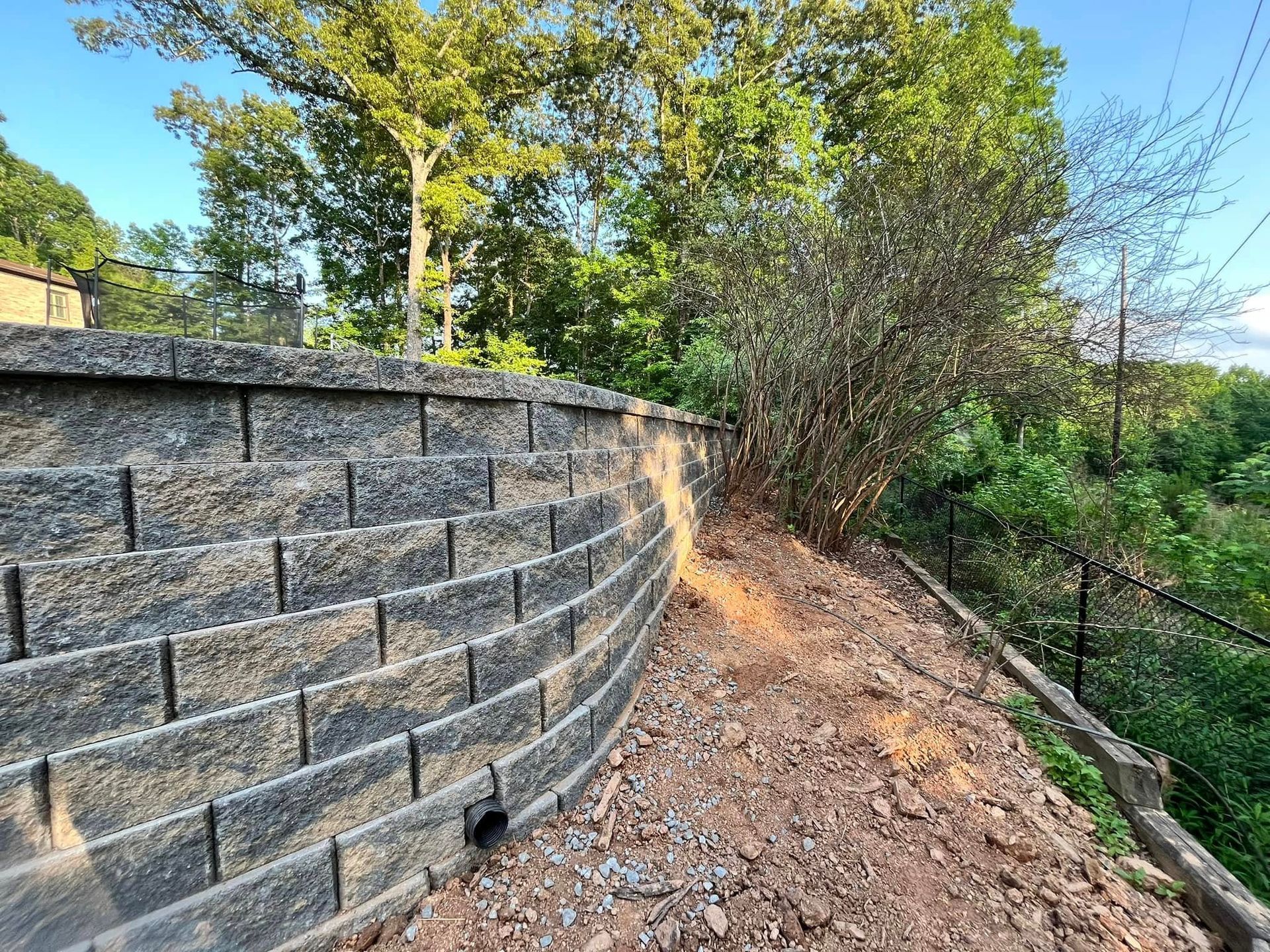
The installation involves excavating below the frost line, laying a compacted gravel base, and building the wall with integrated drainage systems that prevent water pressure from building behind the structure. Weep holes and drainage pipes move groundwater away from the wall's backside, which eliminates the hydrostatic pressure that causes poorly built walls to bow outward or collapse after wet seasons.
Request an expert evaluation and free estimate to determine the wall height, materials, and drainage approach your slope requires.
How Retaining Walls Address Erosion and Grade Issues
A properly built retaining wall uses stone or block materials selected for compressive strength and weather resistance, stacked in a backward-leaning orientation that counteracts soil pressure. The base sits below the frost line to prevent seasonal ground movement from shifting the wall's position, and crushed stone backfill allows water to percolate downward instead of pooling behind the structure.
After installation, you notice water running off your slope without carving channels through planting beds or washing mulch onto driveways. The tiered spaces created by the wall become usable areas for landscaping, seating, or foot traffic that were previously too steep to maintain or access safely. Plants establish root systems in stable soil instead of washing away during storms.
The wall integrates visually with surrounding patios, walkways, and other hardscape features when materials and color palettes coordinate across the project. AC Hardscape & Designs matches wall stone to paver selections or complements existing landscape elements so the wall enhances your property's appearance while solving structural problems.
Property owners considering retaining walls often need clarity on engineering requirements, material longevity, and what separates functional walls from those that fail prematurely.
Answers to Frequent Retaining Wall Questions
What determines whether my slope needs a retaining wall?
Visible erosion channels, exposed roots, soil washing onto paved surfaces, or grade changes exceeding three feet typically require structural support to prevent continued land loss and property damage.
How does drainage prevent wall failure?
Perforated drain pipes installed behind the wall collect groundwater and direct it to drainage outlets, eliminating the pressure buildup that causes walls to lean, crack, or collapse during wet periods.
What materials last longest in Georgia's climate?
Natural stone and engineered concrete blocks resist moisture absorption and weathering better than timber or untreated masonry, maintaining structural integrity through decades of freeze-thaw cycles and heavy rain.
When should I install a retaining wall instead of regrading?
Regrading works for gentle slopes without erosion damage, but walls become necessary when you need to preserve existing trees, avoid disturbing utilities, or create level spaces on properties with limited yard depth.
What height requires professional engineering in Canton?
Walls exceeding four feet in height typically require engineered designs and building permits to meet local structural codes and ensure long-term stability under soil and water loads.
AC Hardscape & Designs evaluates your property's slope, soil type, and drainage patterns to recommend wall specifications that prevent future failure. Arrange a site evaluation to review material options and receive a detailed project estimate.