Permanent Fire Features Integrated Into Hardscape
Custom Built-In Fire Pits in Canton for properties where the fire feature should anchor the outdoor living space rather than sit as an add-on
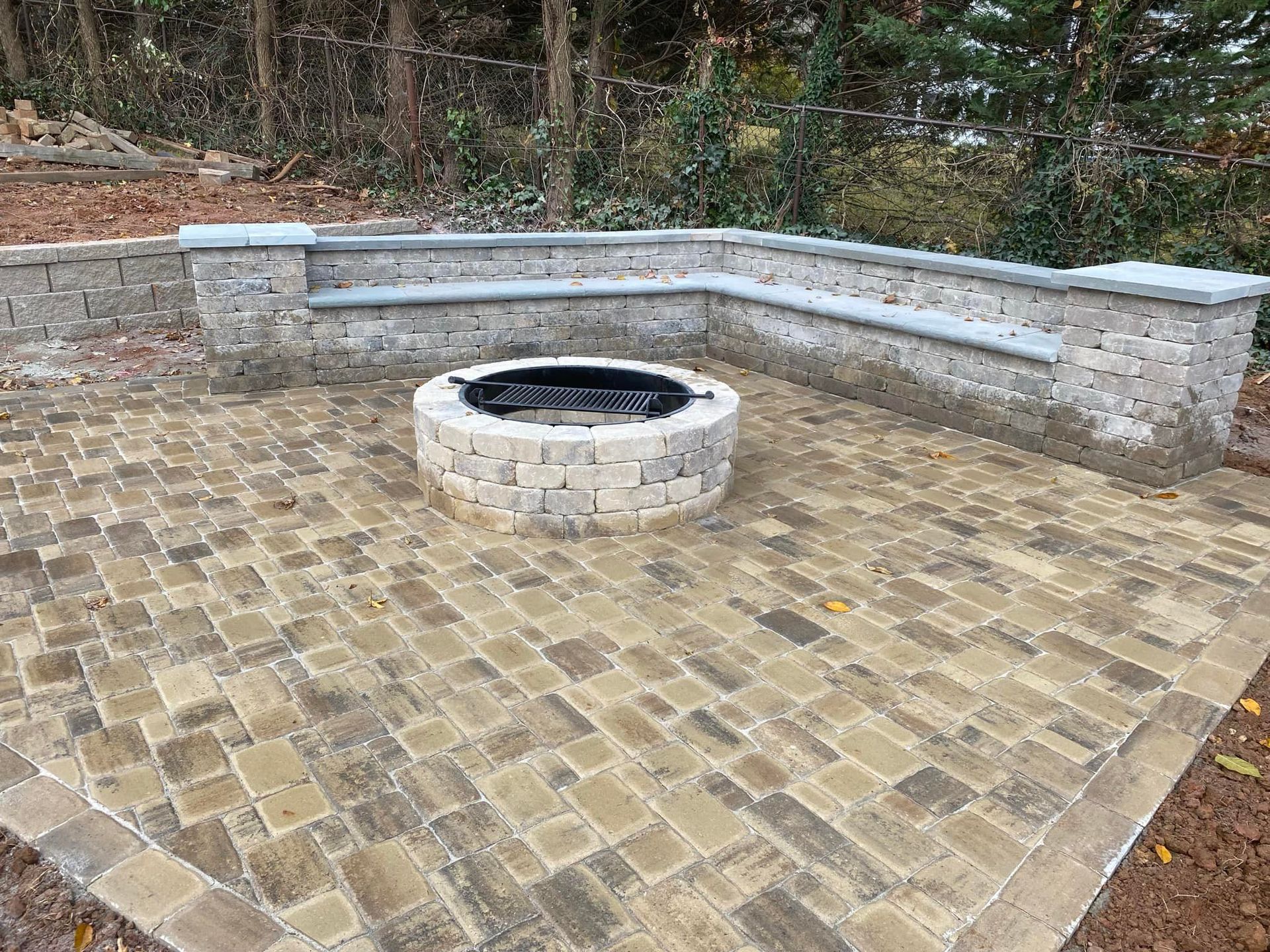
Portable fire pits rust, tip, and look temporary no matter where they sit, while custom built-in fire pits become permanent landscape features designed to match surrounding hardscape and define gathering areas. The design process involves positioning the fire pit within patios, between seating walls, or as the centerpiece of multi-level outdoor spaces, ensuring the feature integrates structurally and visually with the broader landscape. AC Hardscape & Designs installs custom built-in fire pits in Canton using materials like stone, brick, concrete, and pavers that coordinate with existing or planned outdoor features.
Material selection affects both appearance and durability—natural stone delivers a textured, organic look that blends with garden beds and retaining walls, while concrete pavers and brick provide clean lines suited to formal patios and modern designs. The fire pit's wall height, interior diameter, and depth determine heat output, seating proximity, and whether the design accommodates wood or gas fuel. Built-in designs also allow for integrated seating walls, raised edges that double as tables or perches, and coordinated paver borders that visually connect the fire feature to surrounding surfaces.
Schedule a design consultation to review your outdoor space, preferred materials, and how a built-in fire pit fits your property's layout and existing features.
What Built-In Design Adds Functionally
The installation process includes excavating the fire pit footprint, building a stable base that prevents settling, constructing walls with heat-resistant materials, and integrating the structure into adjacent patios, seating areas, or retaining walls. Drainage within and around the pit prevents water accumulation that cracks materials during freeze-thaw cycles, and proper joint work ensures longevity under repeated heating and cooling. The design can incorporate gas lines for easy ignition, firebrick liners for wood burning, or metal inserts that protect masonry from direct flame contact.
After completion, the fire pit functions as a lasting centerpiece that organizes outdoor furniture placement and defines conversation zones without the maintenance hassles of portable units. The built-in structure stays level, withstands weather without rusting or fading, and requires no seasonal storage or repositioning. The cohesive design also improves property aesthetics by eliminating the mismatched look of standalone fire pits dropped onto patios or lawns.
The fire feature can tie into broader hardscape projects, such as connecting a patio to a retaining wall or bridging different elevation levels, which creates functional outdoor rooms rather than disconnected yard features.
Homeowners planning custom fire pits often ask about material options, design flexibility, and how the feature affects their outdoor space long-term.
Answers to Built-In Fire Pit Questions
What materials work best for built-in fire pits?
Stone, brick, and concrete pavers resist heat and weather while offering design flexibility, and firebrick or metal liners protect the structure from direct flame damage and extend the fire pit's lifespan.
How does a built-in fire pit integrate with existing hardscape?
The design coordinates materials, colors, and patterns with surrounding patios, seating walls, or retaining features, creating visual continuity that makes the fire pit look intentional rather than retrofitted.
Why does base preparation matter for permanent fire pits?
A compacted gravel base with proper drainage prevents settling and cracking under Canton's clay soil movement, which is critical for structures subjected to repeated heat cycling and water exposure.
What design options exist for built-in fire pits?
You can choose circular, square, or rectangular footprints, raised or ground-level installations, and features like integrated seating, coping stones for perching, or borders that transition into adjacent paver surfaces.
How does fuel type affect the built-in design?
Wood-burning pits require deeper fireboxes, drainage, and airflow considerations, while gas pits need utility line access, ignition systems, and often shallower structures with lava rock or glass media instead of grates.
AC Hardscape & Designs works with property owners to design built-in fire pits that balance aesthetics, functionality, and integration with existing outdoor features, ensuring the finished space performs well and adds lasting value. Request a consultation to discuss your property's layout, material preferences, and how a custom fire pit fits into your outdoor living goals.